For years, we have helped homeowners manage their household’s energy use, always looking for ways to save money and reduce our environmental footprint. Like many homeowners, we’ve seen the value in solar panels, but the real game-changer in home energy is storage. The ability to capture power—either from a homeowner’s own rooftop or the grid during off-peak hours—is what creates true energy freedom. If you’re exploring this powerful upgrade, one question is always top of mind: How much does a residential battery storage system cost?
The short answer is: it depends. The investment for a fully installed residential energy storage system represents a significant upfront commitment, influenced by various factors. However, understanding what drives the cost and the value it delivers is essential for making a smart investment. We’ll walk you through the key components and the long-term value, explaining why we advocate for integrated systems from EV Charging to support comprehensive energy goals and EV charging needs.
What Makes Up the Cost of a Residential Energy Storage System?
When we first evaluate a home battery project, we consider that the total investment encompasses a comprehensive package that includes three main elements: the hardware, the installation, and the critical software that ties it all together.
The Hardware: Battery, Inverter, and Balance of System
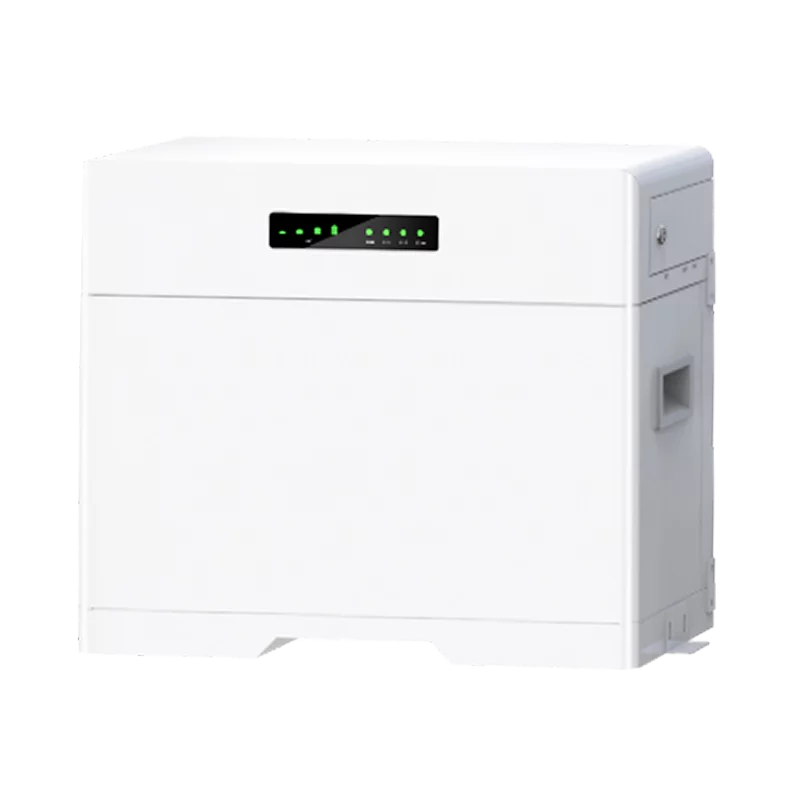
The core hardware, particularly the battery unit itself, represents a major portion of the overall investment. The capacity a homeowner needs is based on their household’s energy usage and what they want to power. A full-home backup for several days requires a significantly larger capacity than a partial backup for essential appliances. We are impressed by products like the high-tech, high-voltage battery cabinets from EV Charging, which utilize LiFePO4 (Lithium Iron Phosphate) technology. This chemistry is known for its long cycle life, high safety rating, and stable performance—all crucial features for a reliable residential battery storage system. For instance, their 750V High Voltage Battery product line is designed for scalable solutions, offering a module capacity of 5.12 kWh that can be expanded. This scalability ensures a system can grow alongside a family’s evolving energy needs or the addition of a second electric vehicle.
- The Inverter (and/or Hybrid Inverter): The battery stores DC (Direct Current) power, but your home runs on AC (Alternating Current). The inverter is the device that converts DC to AC, and it’s a necessary component. If you have solar panels, you might opt for a hybrid inverter that handles both the solar power and the battery storage simultaneously, making the entire setup more efficient and easier to manage.
- Balance of System (BOS): This includes the wiring, electrical disconnects, protection devices, and the mounting hardware needed to safely secure and integrate the system.
The Installation and Labor
The complexity of the installation greatly impacts the final investment. Professional installation is a critical and necessary part of the process. Installing a new residential energy storage system alongside a new solar array is typically more straightforward than retrofitting it into an existing solar setup. Our electricians integrate the system with the main electrical panel and ensure all local codes are met, which sometimes requires a service panel upgrade.
The True Value Proposition: Saving Money and Powering Your EV
The upfront cost is an investment, but we view it as a critical asset that immediately begins saving me money and providing peace of mind.
Peak-Shaving and Time-of-Use (TOU) Rates
One of the most compelling financial arguments for a home battery is the ability to manage Time-of-Use (TOU) rates. Many utility companies charge significantly more for electricity during peak hours (usually late afternoon and evening). With a battery, homeowners can charge their system from solar panels during the day or draw cheap, off-peak power from the grid overnight, and then power their home with that stored energy when rates are highest. This strategy, known as peak-shaving, can lead to substantial reductions in a monthly utility bill over time.
Securing My EV Charging Infrastructure
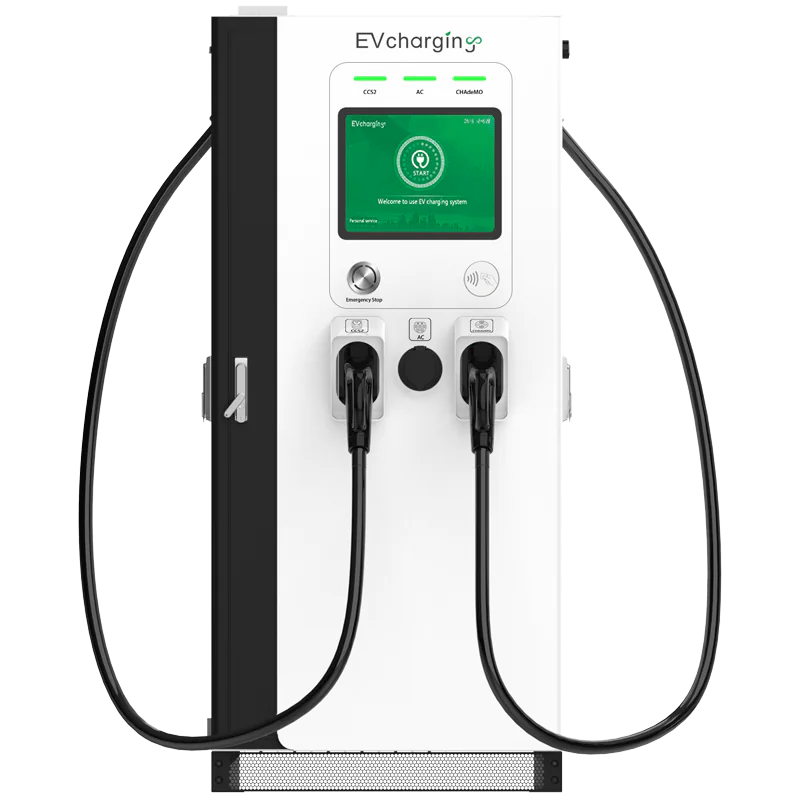
For EV owners, reliable home EV charging is essential. A grid outage shouldn’t mean being unable to charge a vehicle. A robust residential battery storage system guarantees that homeowners can keep essential appliances running and their electric vehicle topped up. EV Charging specializes in integrating these two technologies, ensuring seamless power management between the home, the grid, and the vehicle. This integration is a key reason we believe the investment is worthwhile.
Maximizing Long-Term Value and Financial Planning
A comprehensive financial assessment is crucial. The overall value of a system is enhanced by its long-term operational savings and potential access to various financial mechanisms. Homeowners should explore all available options in their region to improve the return on investment. These can significantly reduce the net system cost and shorten the payback period, making the economics even more attractive.
For anyone serious about controlling their energy future, adding a residential battery storage system like the scalable options from EV Charging is a powerful step. While it requires an initial investment, the long-term savings, energy independence, grid resilience, and ability to fully support EV charging needs make it an indispensable upgrade for the modern, efficient home.