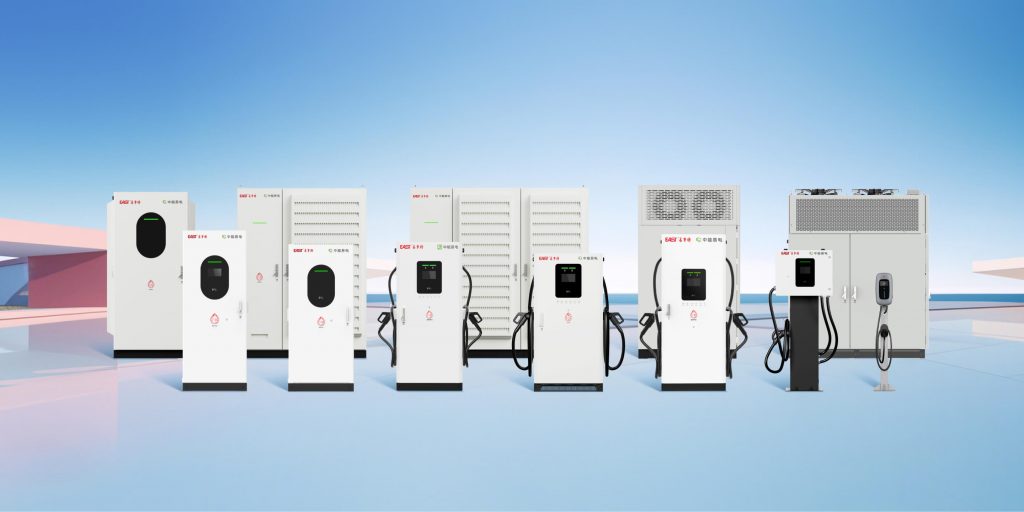
At EV Charging, we are committed to empowering businesses and homeowners with the knowledge they need about electric vehicle (EV) charging solutions. As the demand for electric vehicles grows, so does the need for efficient charging infrastructure. Our commercial car charging stations and residential EV chargers are designed to meet varying needs, ensuring that every user can optimize their charging experience.
Factors Affecting Charging Times
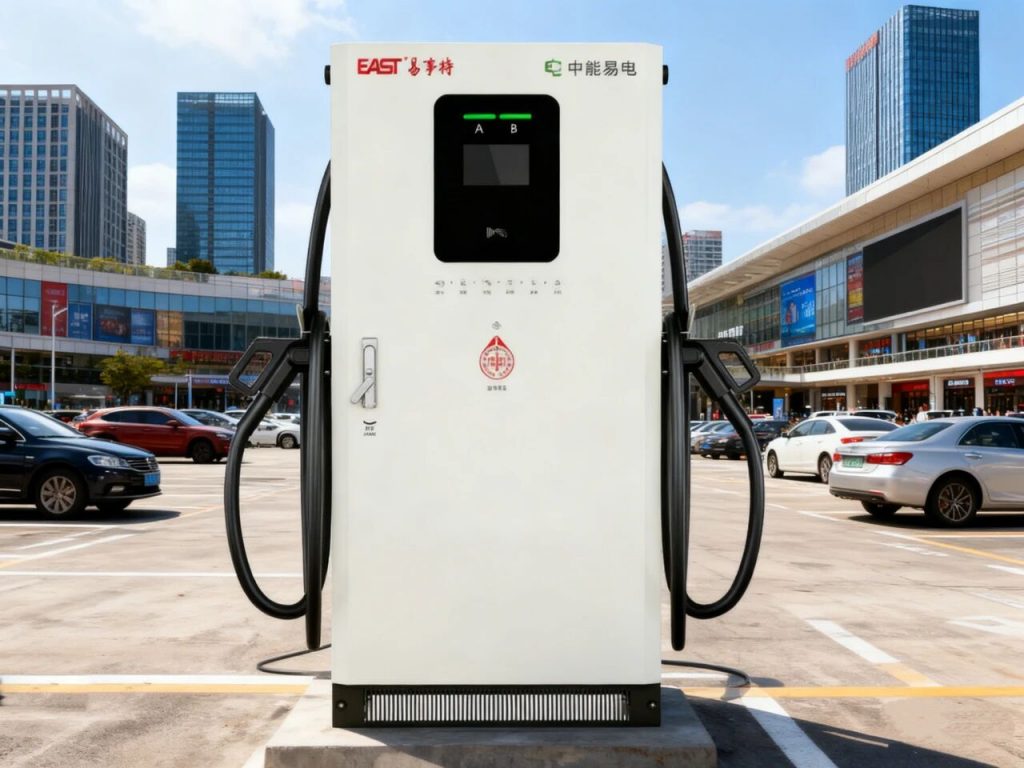
When considering how long it takes to charge an EV, it is essential to understand that battery capacity plays a significant role. Different EV models come with varying battery sizes, typically measured in kilowatt-hours (kWh). For instance, a compact electric car may have a battery capacity of around 40 kWh, while larger models can exceed 100 kWh. The charging time directly correlates with these capacities. For instance, a commercial car charging station with a higher output can charge a larger battery more quickly than a standard home outlet. Understanding these differences allows businesses and individuals to plan their charging schedules effectively.
Charging Levels and Their Impact
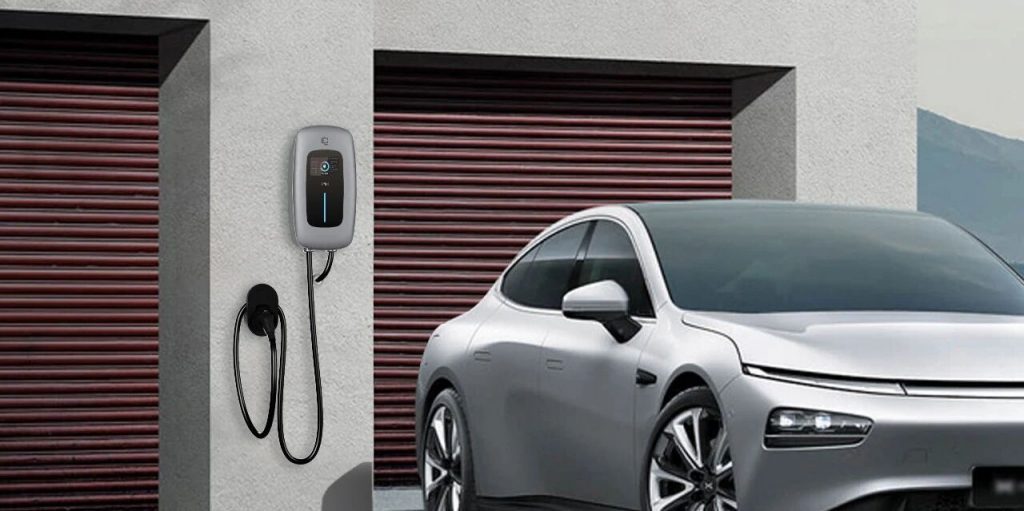
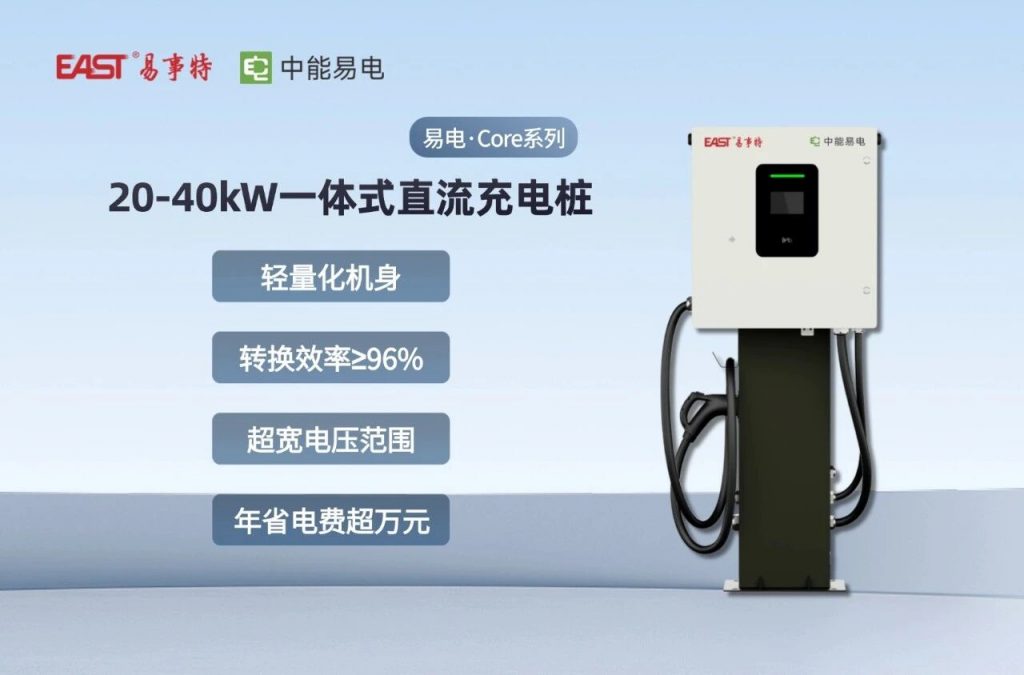
Charging time also varies based on the type of charger used. There are three primary levels of EV chargers: Level 1, Level 2, and DC fast chargers. Level 1 chargers, often found in the form of basic residential EV chargers, use a standard 120V outlet, providing a slow charge of about 4-5 miles of range per hour. In contrast, Level 2 residential EV chargers offer a significant upgrade, operating at 240V and can deliver around 25 miles of range per hour. These faster Level 2 units are also commonly located at commercial car charging stations, making them ideal for businesses wanting to offer quick charging solutions. Meanwhile, DC fast chargers can provide up to 80% charge in just 30 minutes for larger battery capacities, revolutionizing the way we think about EV charging time.
Optimizing Charging Times for Different Needs
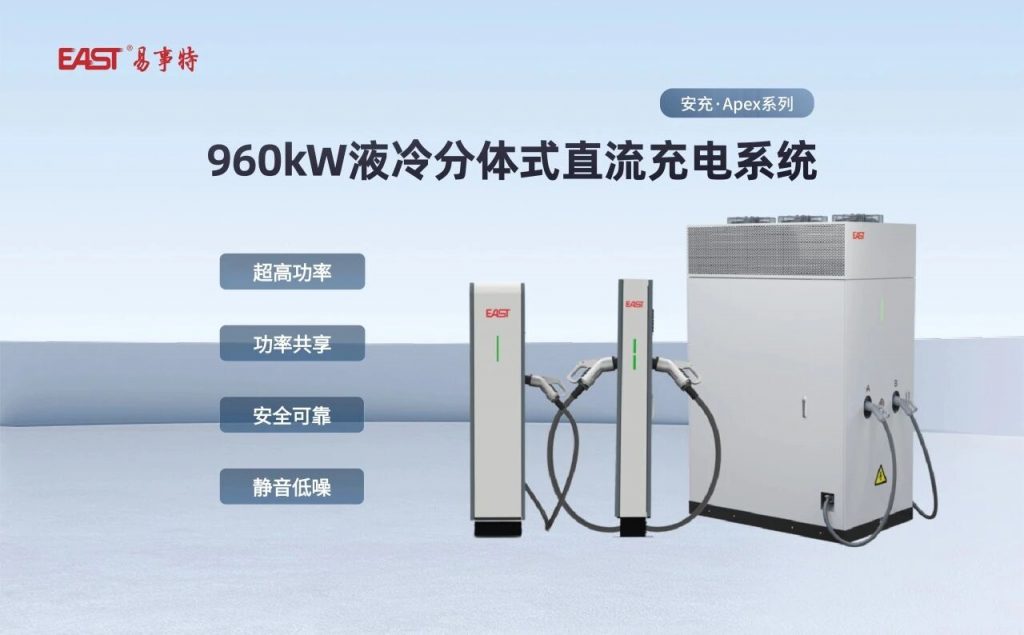
To optimize charging times, businesses and homeowners should consider the specific needs of their electric vehicles. For example, if a business operates a fleet of electric vehicles, investing in commercial car charging stations that offer rapid charging capabilities will minimize downtime. For residential users, a residential EV charger that matches their driving habits and battery size can significantly enhance convenience. We recommend evaluating your daily mileage and battery capacity to determine the most suitable charging solution.
Conclusion
In conclusion, understanding how long it takes to charge an EV based on battery capacity is crucial for both businesses and homeowners. At EV Charging, we provide a range of solutions, from commercial car charging stations to residential EV chargers, ensuring that every user can find the right fit for their needs. By considering factors such as battery size and charger type, you can optimize your charging experience and contribute to a greener future. Embrace the change and make the switch to electric with confidence, knowing that we are here to support you every step of the way.