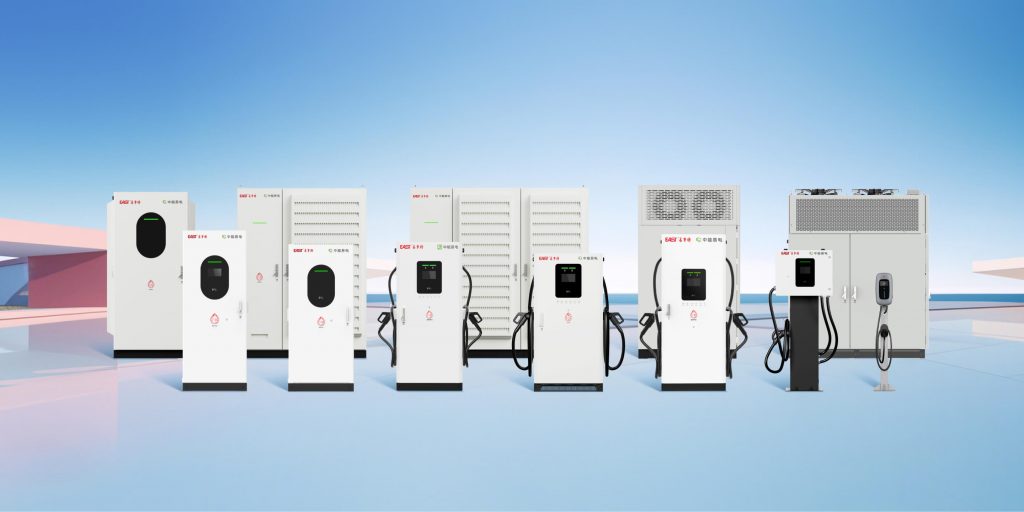
As the global energy landscape shifts toward sustainability, electrical energy storage systems have become a cornerstone of modern power infrastructure. These systems play a vital role in capturing, storing, and delivering electricity on demand, making energy usage more efficient and reliable. For businesses, industries, and EV infrastructure developers, understanding how these technologies work—and how they integrate with solutions from EV Charging—is key to building a smarter, more resilient energy network.
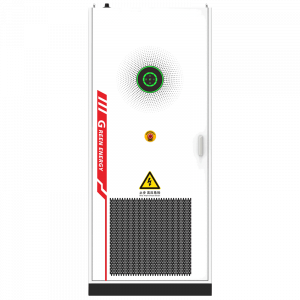
How Electrical Energy Storage Systems Work
At their core, electrical energy storage systems capture surplus electricity produced during low-demand periods and release it when demand increases. This process helps balance supply and demand, stabilize the grid, and reduce dependency on fossil fuels. The technology typically involves converting electrical energy into a storable form—such as chemical energy in batteries—and then converting it back to electricity when required.
Modern electrical energy storage systems rely heavily on advanced lithium-ion batteries due to their efficiency, energy density, and scalability. These systems can be integrated into renewable energy setups, such as solar or wind farms, or installed alongside commercial and industrial energy storage networks to provide consistent, on-demand power. At EV Charging, we specialize in developing integrated storage solutions that support both clean energy generation and EV infrastructure, ensuring a seamless flow of power when and where it’s needed most.
The Benefits of Commercial and Industrial Energy Storage
The implementation of commercial and industrial energy storage systems offers substantial economic and operational advantages. By storing excess energy during off-peak hours and deploying it during peak demand, our businesses can significantly reduce electricity costs. These systems also act as a safeguard against power interruptions, providing a stable and continuous energy supply to critical operations.
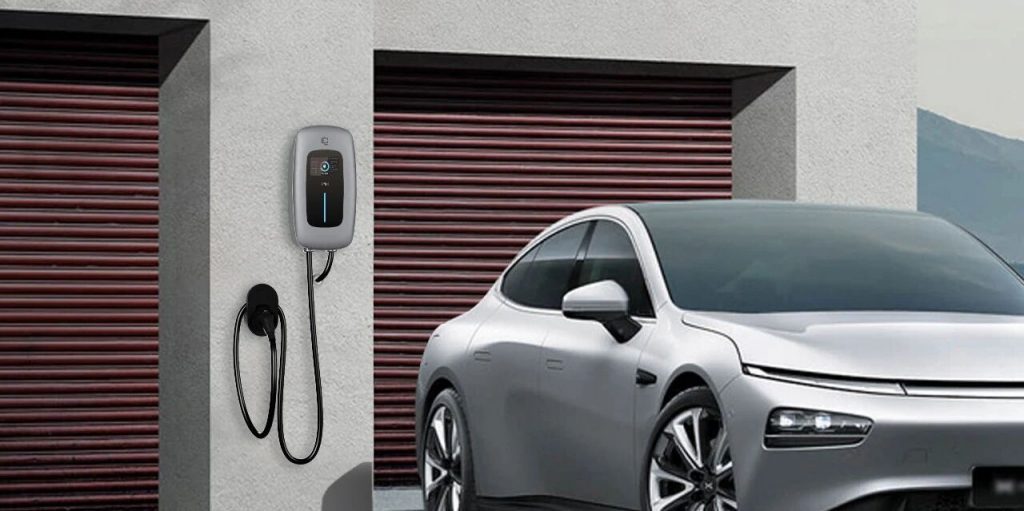
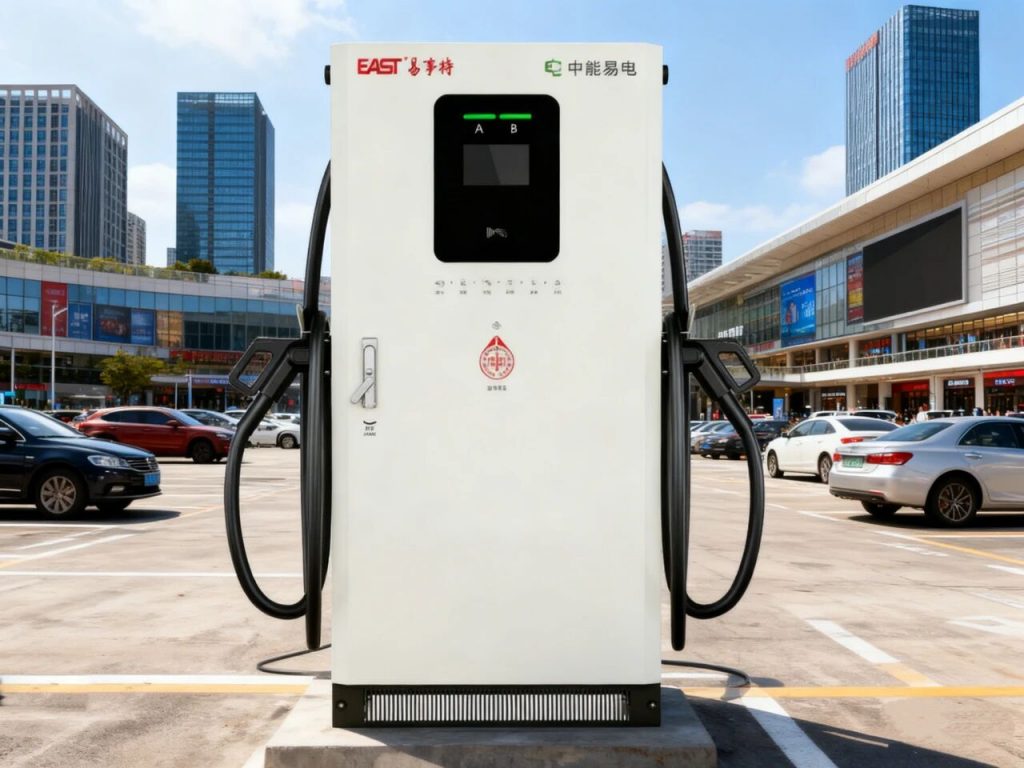
For large-scale facilities and EV charging networks, commercial and industrial energy storage supports grid stability and enhances sustainability goals. With the rapid growth of electric vehicles, pairing electrical energy storage systems with EV charging infrastructure allows for faster, more reliable charging while minimizing stress on the local grid. EV Charging designs and delivers tailored solutions that combine battery storage with intelligent energy management to improve performance and sustainability.
Applications Across Industries and Energy Networks
Electrical energy storage systems are not limited to industrial use—they’re transforming residential, commercial, and utility-scale applications alike. From powering entire neighborhoods to supporting commercial and industrial energy storage projects, these systems provide flexibility, cost savings, and improved energy security. Businesses that invest in such solutions gain greater control over their energy strategy and reduce their carbon footprint, all while ensuring uninterrupted power delivery for critical operations.
At EV Charging, our expertise extends beyond EV infrastructure. We work closely with partners to deploy scalable electrical energy storage systems and commercial and industrial energy storage solutions tailored to each client’s energy needs. Whether optimizing renewable energy use, supporting EV fleets, or stabilizing grid operations, our goal is to create smarter, more sustainable energy systems for the future.
Conclusion
The rise of electrical energy storage systems marks a new era of energy independence and efficiency. For organizations investing in commercial and industrial energy storage, these technologies offer cost savings, reliability, and sustainability in equal measure. With EV Charging’s advanced solutions and expertise, businesses can integrate storage seamlessly into their energy networks, ensuring stable, efficient, and eco-friendly power for years to come.