At EV Charging, we understand that one of the most pressing questions for electric vehicle (EV) owners is the cost of charging. As the demand for electric vehicles continues to rise, so do the options for electric vehicle charging solutions. Understanding the costs associated with charging at home versus public stations is crucial for both individual consumers and businesses looking to invest in commercial car charging stations.
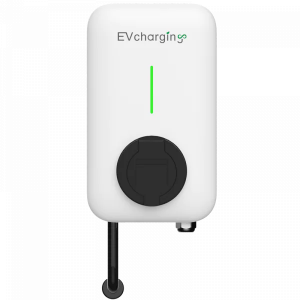
Charging Costs at Home
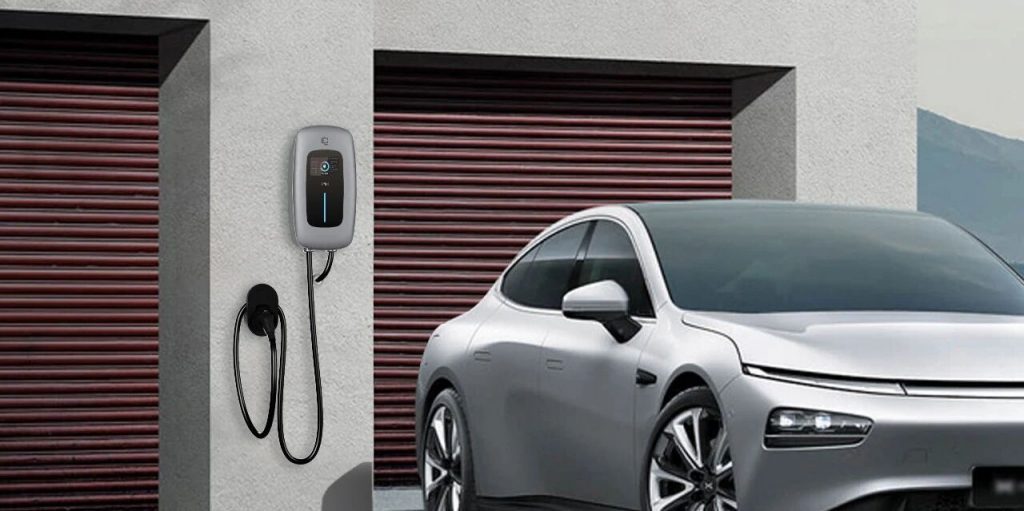
Charging an electric vehicle at home is often the most economical option for EV owners. The cost to charge varies based on local electricity rates and the size of the vehicle’s battery. On average, it costs about $0.10 to $0.30 per kilowatt-hour (kWh) for residential electricity. For instance, if you own an EV with a 60 kWh battery, charging from empty to full could range from $6 to $18. This cost is significantly lower than refueling a gasoline vehicle, making home charging a financially savvy choice. Additionally, with the installation of a residential EV charger, users can maximize their charging efficiency, further optimizing costs.
Public Charging Station Expenses
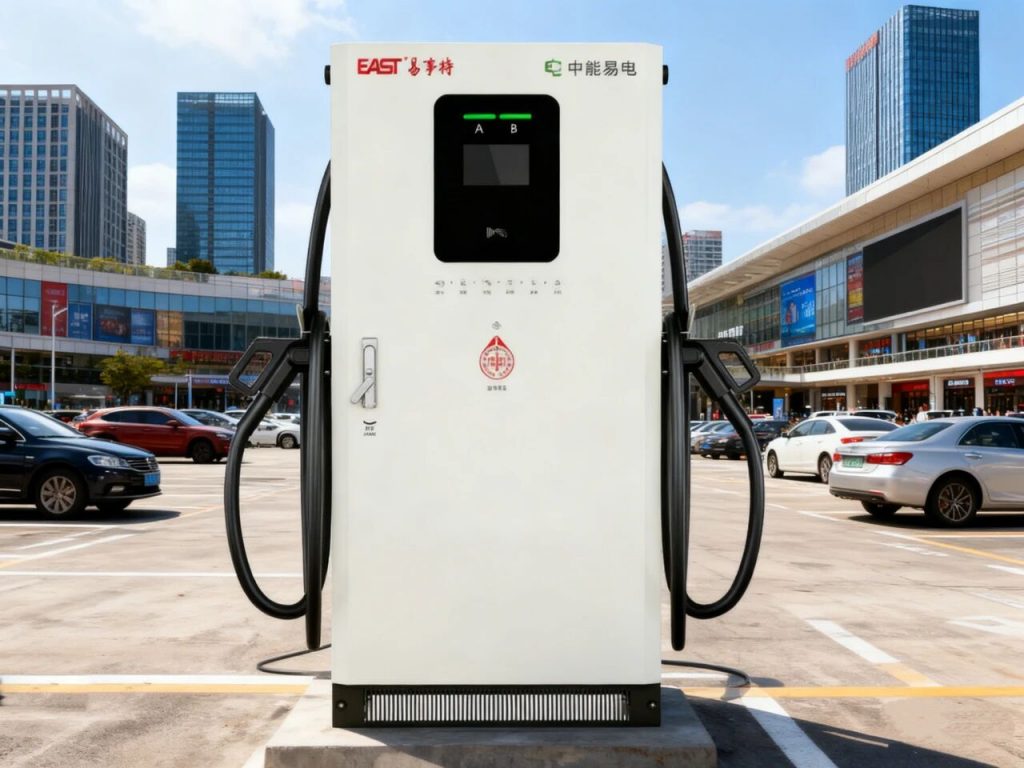
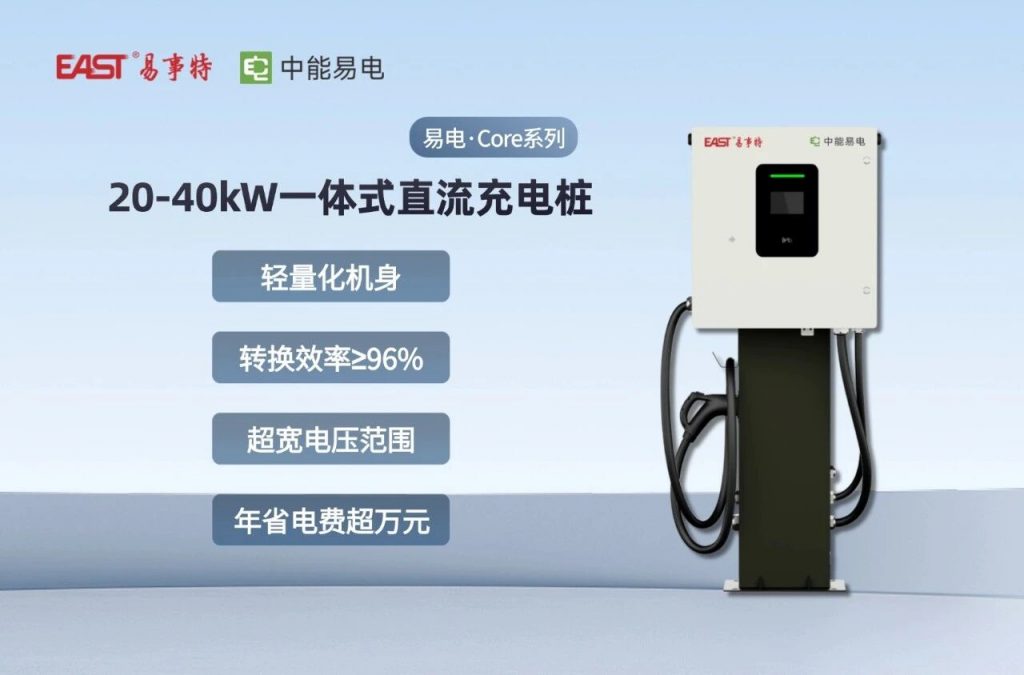
On the other hand, EV Charging at public stations can vary widely in cost. Commercial EV Charging stations may operate on a pay-per-use model, which can include subscription fees, hourly rates, or per-kWh charges. Depending on the location and the provider, EV Charging costs can range from $0.20 to $0.80 per kWh. Fast chargers, while convenient for quick top-ups, typically charge a premium for the speed they provide. For instance, using a DC fast charger to fully charge a 60 kWh battery could cost between $12 to $48, depending on the EV Charging rate. Businesses considering the installation of commercial EV Charging stations should factor in these costs when determining pricing strategies for their customers.
Evaluating the Total Cost of Ownership
When evaluating the total cost of ownership for an electric vehicle, it is essential to consider both home and public charging options. While home charging generally offers lower rates, the convenience of public stations cannot be overlooked, especially for those who frequently travel or lack home charging infrastructure. For businesses looking to provide electric vehicle charging solutions, offering both residential EV chargers and access to commercial car charging stations can cater to a wider audience, maximizing user satisfaction and convenience.
Conclusion
In conclusion, understanding the costs associated with charging electric vehicles at home versus public stations is vital for EV owners and businesses alike. At EV Charging, we provide comprehensive electric vehicle charging solutions that cater to various needs, whether it’s through the installation of efficient residential EV chargers or establishing robust commercial car charging stations. By being informed about charging costs, EV users can make better decisions, leading to more sustainable and cost-effective driving experiences. Embrace the future of transportation with confidence, knowing that we are here to support your electric vehicle journey.